Doc Martens History – From Work Boot to Subculture Icon
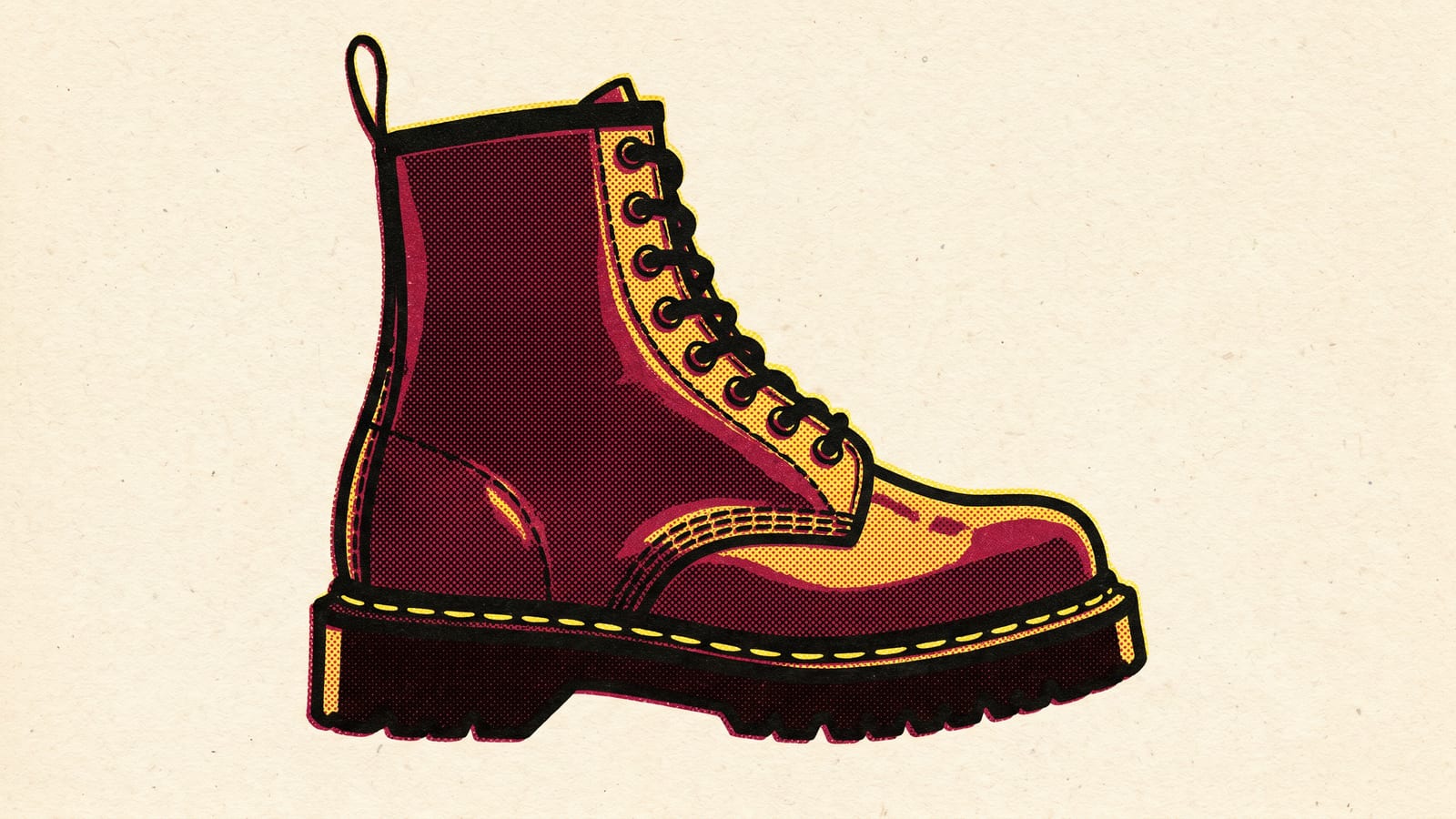
Few objects are as bound up with subculture as the Dr. Martens boot. It started life as orthopaedic workwear and ended up on the feet of skinheads, punks, goths, and grunge kids alike. If you came here from the lace color meanings, this is the story of the boot those laces go in.
A doctor and an air-cushioned sole
The story begins not in Britain but in Germany. In 1945, a Bavarian doctor named Klaus Maertens injured his foot and designed a shoe with an air-cushioned sole to make walking more comfortable while it healed. He developed the idea with an engineer, Herbert Funck, and through the 1950s the air-cushioned boot sold steadily in Germany, mostly to older women on comfort grounds.
Crossing the Channel
In 1959 the British shoe manufacturer R. Griggs Group licensed the design, anglicized the name to Dr. Martens, refined the shape, and added the now-famous yellow welt stitching and grooved sole edge. The first British-made boot, the eight-eyelet 1460, named for the date of its launch, 1 April 1960, rolled out as sturdy, affordable workwear for postal workers, factory hands, and police.
That working-class, hard-wearing, cheap origin is exactly why the boot ended up where it did.
How it became a subculture icon
The skinheads of the late 1960s adopted Doc Martens precisely because they were practical, tough, and tied to working-class life, the same logic that governed the rest of the skinhead wardrobe. From there the boot spread outward across the British youth scene.
Punks took it up in the 1970s. Goths wore it in black through the 1980s. By the time grunge broke in the early 1990s, the 1460 had become a global symbol of alternative identity, worn by people who had never heard of a sound system or an Oi! gig. The boot’s meaning kept shifting with whoever laced it up.
The China move and the Solovair question
For decades Doc Martens were made in England. In 2003, facing financial trouble, the company moved most production to China and other countries. A lot of longtime wearers felt the quality dropped, and many skinheads, especially in the UK, switched to Solovair, a Northamptonshire maker that produces very similar boots in England, in some cases on the original tooling. Dr. Martens has since reintroduced a premium “Made in England” line for those who want the original article.
Why it endured
The Doc Marten survived every subculture that adopted it because it was never designed as a fashion object in the first place. It was built to be comfortable, durable, and cheap, and that honesty is exactly what successive working-class and alternative scenes responded to. The boot outlasted the movements because it was useful before it was symbolic.
For the lace mythology that grew up around it, see Doc Martens lace color meanings.