Punk – Origins, Style, and What It Actually Stood For
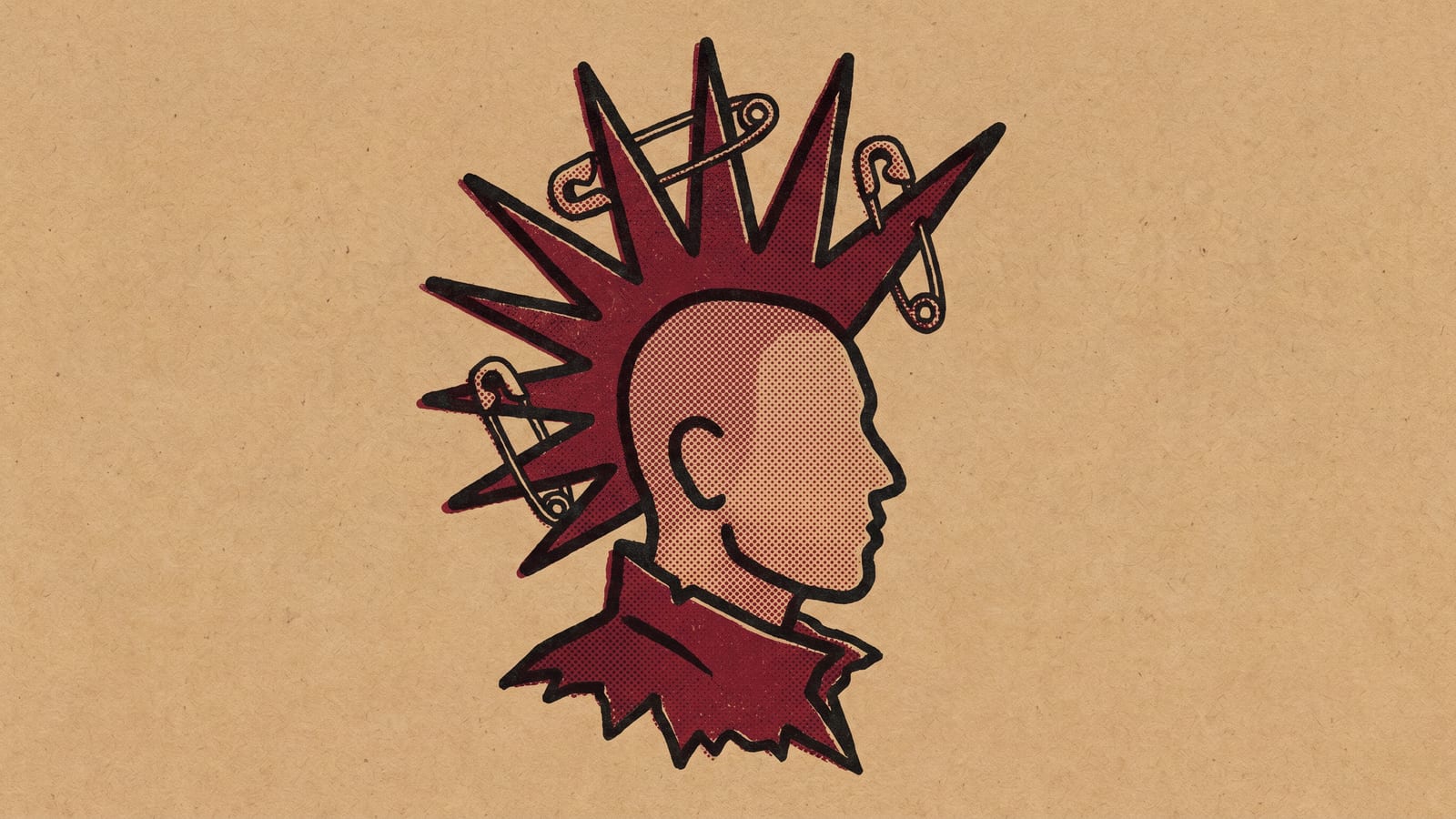
Punk is one of the most influential subcultures of the twentieth century, and one of the most misread. It is remembered for spikes, safety pins, and shock, but underneath the look was a genuine idea: that you did not need permission, training, or money to make something. That idea outlived the fashion by decades.
Origins
Punk emerged more or less simultaneously in the mid-1970s in New York and London, though the two scenes had different flavours. The New York side, centred on the club CBGB, gave you the Ramones, Television, and Patti Smith, stripped-down, arty, and fast. The London side, catalysed in 1976 by the Sex Pistols and shaped by Malcolm McLaren and Vivienne Westwood’s shop on the King’s Road, was angrier, more confrontational, and more openly political.
Both shared a reaction against the polished, stadium-scale rock of the early 1970s. Punk’s answer was short, loud, cheap, and direct.
The sound
Musically, punk was a deliberate reset. Songs were fast and short, played on a few chords, often badly on purpose. The point was energy and immediacy over technical skill. The famous fanzine illustration showing three chords and the instruction “now form a band” captures the whole ethos.
The look
Punk style was built to provoke. Ripped clothing, safety pins, band T-shirts, leather jackets, tartan, bondage trousers, and dramatic hair, spiked, dyed, or shaped into a mohawk, all signalled refusal. Doc Martens boots crossed over from the skinhead scene and became a punk staple too, which is part of why the two subcultures are so often discussed together.
It is worth being clear that punk style was a do-it-yourself aesthetic before it was a shop-bought one. The earliest punks customized cheap or second-hand clothes precisely because the look was supposed to be made, not purchased.
The ethos
The lasting part of punk was never the haircuts. It was the DIY ethic: make your own records, print your own fanzines, book your own shows, and ignore the gatekeepers. That principle seeded countless later movements, from hardcore and straight edge to riot grrrl and large parts of independent music culture as it exists today.
Punk and the skinhead scene
Punk and the skinhead revival of the late 1970s overlapped heavily, sharing venues, boots, and a working-class audience. The Oi! genre grew directly out of that overlap, a rougher street-punk sound tied to the skinhead crowd. As with the skinhead scene, punk had its political fault lines, and the bulk of it stood against the far-right elements that tried to attach themselves to the music.