Two-Tone Ska – The Late-70s Revival That Mixed the Scenes
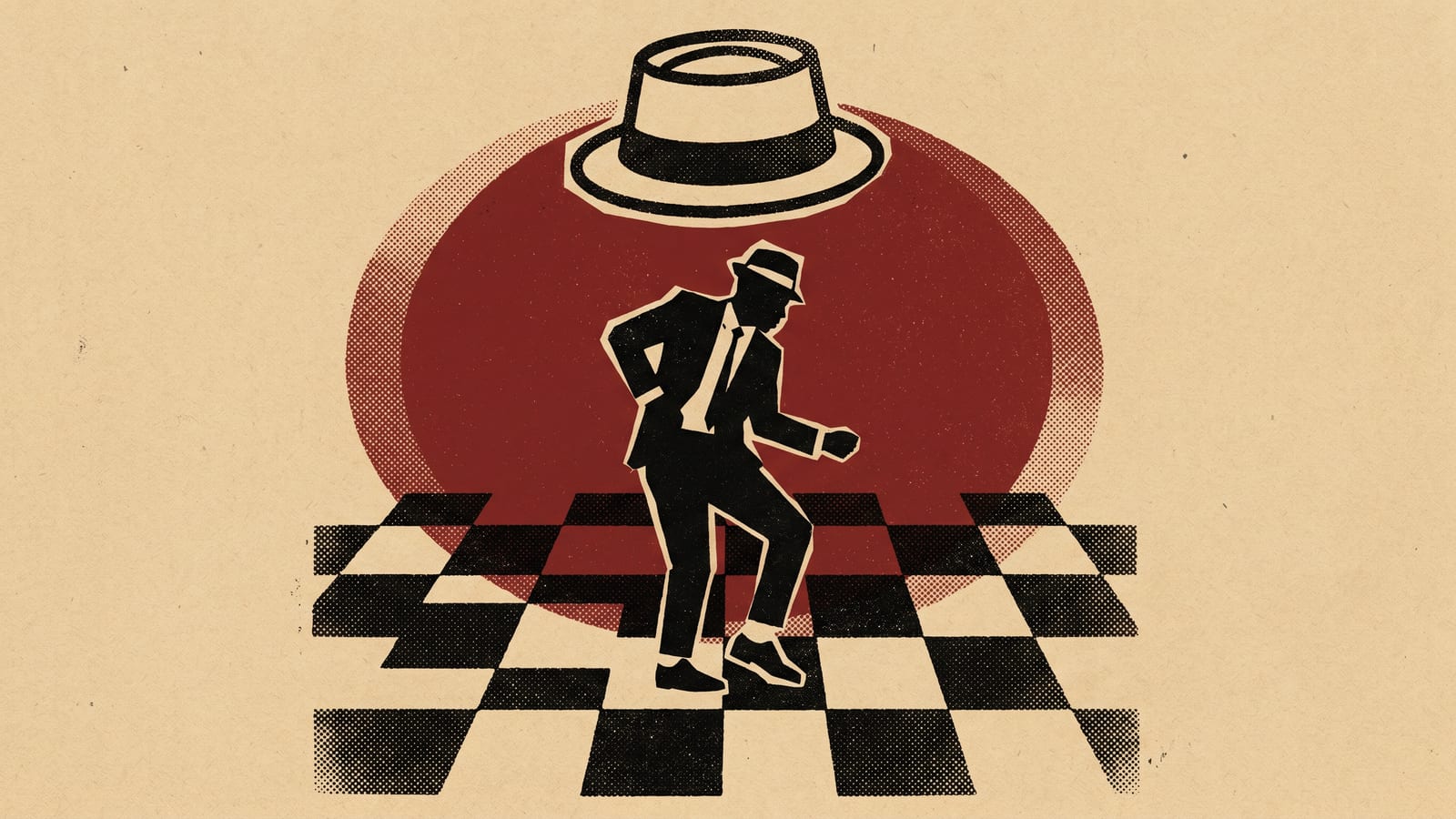
Two-tone was a British music movement at the end of the 1970s that took Jamaican ska, sped it up, fused it with punk energy, and wrapped the whole thing in a black-and-white checkerboard aesthetic that doubled as a statement about race. If you have seen the checkerboard pattern on a pin badge or a Doc Martens detail and wondered where it came from, this is the source.
Where the name comes from
Two-tone takes its name from 2 Tone Records, the label founded in Coventry in 1979 by Jerry Dammers of The Specials. The label’s logo, a sharp-suited rude boy in black and white, told you the whole story at a glance: this was rude boy ska, reborn in multiracial Britain.
The “two tone” was not only musical. The bands were deliberately racially mixed at a moment when the National Front was active and racial tension in Britain was high. Putting Black and white musicians on the same stage playing Black Jamaican music was, in that context, a political act.
The sound
Two-tone took the ska and rocksteady of 1960s Jamaica and ran it through the speed and bite of British punk. The result was faster, harder, and built for dancing. Brass sections, walking basslines, and an off-beat guitar chop sat alongside shouted vocals and a punk sense of urgency.
The bands
The movement was short and intense, mostly concentrated between 1979 and 1981. The key acts included:
- The Specials – the flagship band, responsible for “Ghost Town,” a number-one single that captured the bleak mood of early-1980s Britain
- Madness – who started on 2 Tone before becoming one of the biggest British pop acts of the decade
- The Selecter – fronted by Pauline Black, one of the defining voices of the scene
- The Beat (known as The English Beat in the US) – melodic and politically sharp
Connection to the skinhead scene
Two-tone pulled heavily on skinhead, mod, and rude boy style. The crowds mixed cropped hair, pork pie hats, sharp suits, Fred Perry, and loafers, exactly the wardrobe described in our fashion guide. For traditional skinheads, two-tone was a natural home: it played their music and shared their roots, while standing firmly against the racist faction trying to claim the subculture.
Legacy
The movement burned out fast, but its influence ran long. It fed directly into the American ska-punk wave of the 1990s and kept the rude boy image alive for new generations. The checkerboard is now shorthand for the whole lineage that runs from Kingston through Coventry.