Goth Fashion – Black, and Everything After
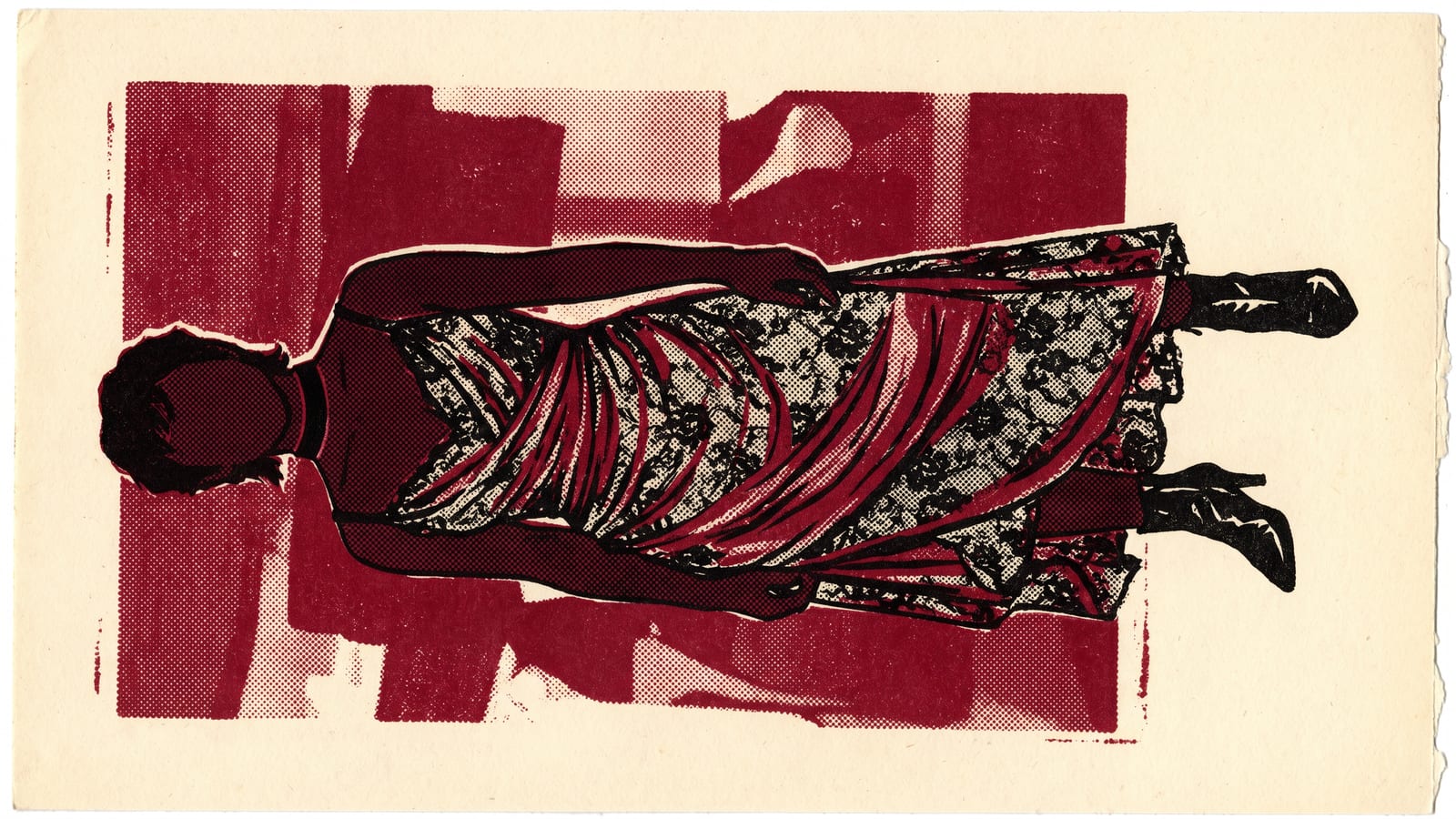
Black is not a trend in goth. It is the starting point, the baseline, the grammar everything else gets written in. What is interesting is what each subgenre did after agreeing on that baseline, because the trad goth at the Batcave in 1982 and the cyber goth at a German industrial night in 2001 are wearing very different clothes despite both being unmistakably goth.
How the Look Got There
The Batcave opened on 21 July 1982 at the Gargoyle Club on Dean Street in Soho, London, running every Wednesday, and it is as close to a point of origin as goth fashion has. The crowd that gathered there took punk’s anti-fashion energy and ran it in a different direction: less aggression, more theatre, less ripped denim, more black lace.
Siouxsie Sioux was the single most visible reference point. Her look combined backcombed and crimped black hair, a white-painted face, heavy black eye make-up, fishnet stockings, PVC, and layered bangles. The influences she was drawing on ran from Kabuki theatre to 1930s German Expressionism to Bowie-era glam, and the result was conspicuous and easily copied. By the early 1980s there were legions of people working variations on that template in bedrooms across Britain.
DIY was central, not incidental. Goth fashion was expensive to buy and cheap to make, dye, or reconstruct. Charity shops were the primary resource: black velvet curtains became skirts, men’s suit jackets became structured outerwear, white shirts got dyed or bleached. Hair dye (particularly Manic Panic, popular from the 1980s onward) and theatrical make-up were cheaper per use than a boutique wardrobe. The culture rewarded effort and ingenuity over spending, which is partly why the look diversified so fast.
Trad Goth: The 80s Grammar
Trad goth, sometimes called Batcaver style, keeps the original 1980s vocabulary intact. The reference points are musical first: Bauhaus, Siouxsie and the Banshees, The Cure, Joy Division, Sisters of Mercy. The look follows the music’s atmosphere.
Silhouettes are narrow and angular. Heavy boots (New Rock, Demonia, or plain black Docs), fishnet tights, black jeans, band shirts, layers of silver jewellery. The hair is backcombed or teased into something architecturally improbable. Make-up is theatrical regardless of gender: foundation several shades too pale, black eyeliner extending well past the eye socket, dark lip.
The key thing about trad goth fashion is that it looks like it belongs to a specific historical moment, which is not a criticism. Wearing it accurately in 2026 is a deliberate act of preservation, and the subculture mostly respects that rather than treating it as costume.
Romantic Goth: Lace Over Leather
Romantic goth came into focus through the 1990s, pulling from a different set of sources: Gothic literature, Pre-Raphaelite painting, vampire fiction, and Victorian and Edwardian mourning dress. The black is still there, joined now by deep burgundy, wine, and dark purple.
The fabrics change: velvet, silk, chiffon, and lace replace PVC and fishnet as the primary materials. Silhouettes lengthen and soften, with floor-length skirts, poet shirts with ruffled cuffs, corseted waists, and flowing coats. Where trad goth has an aggressive edge inherited from punk, romantic goth is more explicitly theatrical in a period-drama direction.
The make-up tends to be equally precise but softer in character: dark eyes, deep lip colour, often with a deliberately fragile quality. Jewellery runs to cameos, crosses, Victorian mourning pieces, and anything with a slightly funerary air.
Cyber Goth: Black Plus UV
Cyber goth is where the aesthetic breaks most clearly from its origins. It emerged in the late 1990s from the intersection of the German and Austrian industrial and rave scenes, the “Gravers” who crossed between goth clubs and rave nights and ended up fusing the two dress codes. Brands like London-based Cyberdog, founded in 1994, helped give the look a commercial form.
The base layer is still black, but neon UV-reactive colour arrives alongside it rather than replacing it. Synthetic dreadlocks (cyberlox) in neon pink, green, or orange; large goggles worn on the forehead; gas masks as accessories; circuit-board prints; biohazard motifs. The silhouette is utilitarian and modular, drawing from industrial workwear and science fiction simultaneously.
The music that goes with it is EBM, Aggrotech, and Futurepop rather than post-punk guitar, which is part of why cyber goth can feel like an entirely different tribe sharing only the black baseline with its predecessors.
The Thread Running Through
The argument that connects all three is not the specific garments but the attitude toward dress: goth fashion is always highly considered, always intentional, and always willing to be uncomfortable to look at. Whether that means spiked jewellery, a Victorian mourning veil, or a gas mask is a matter of which corner of the subculture you landed in. The black came first, and everything after is argument.