Psychobilly – Punk Meets Rockabilly
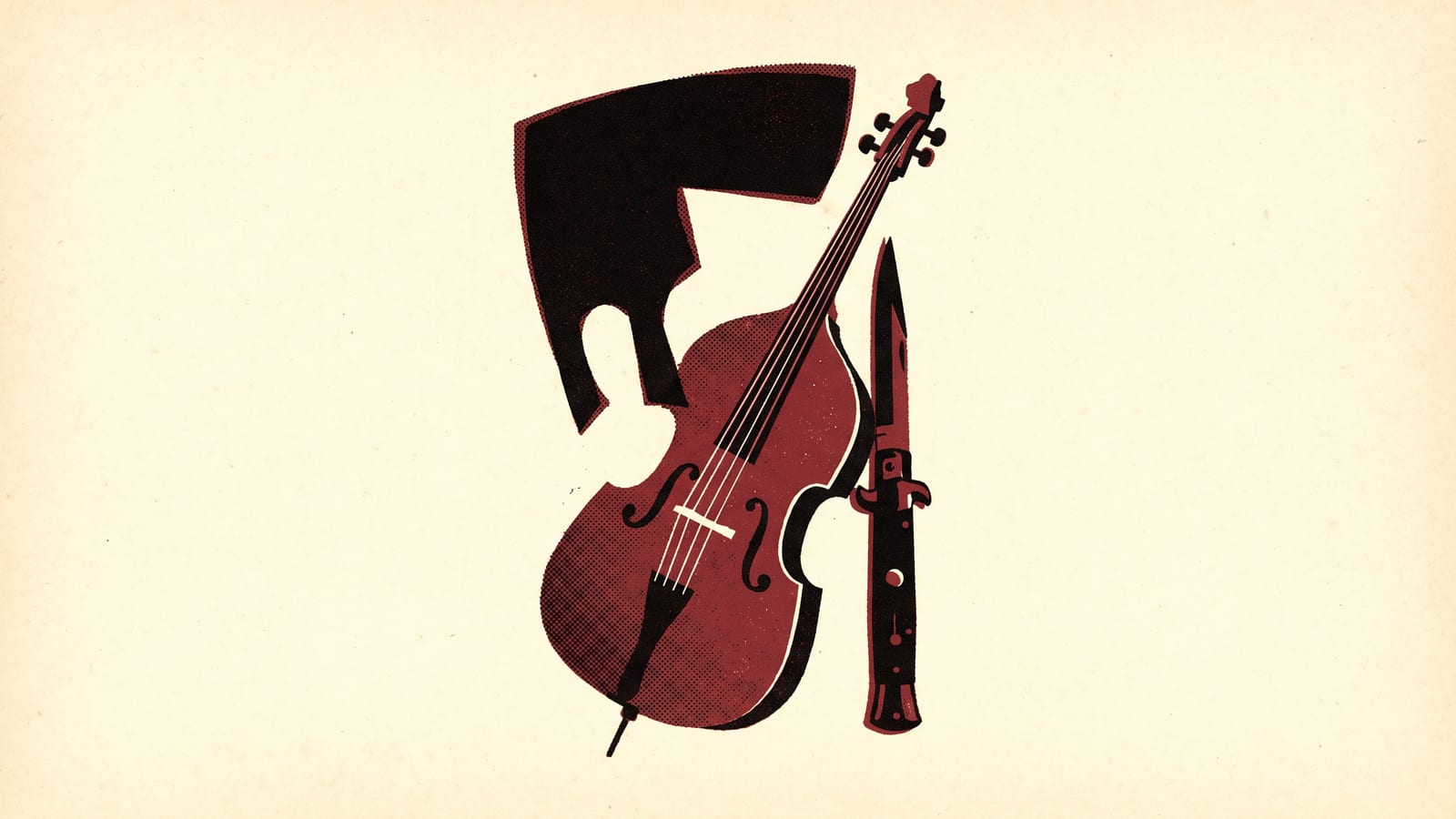
Psychobilly is what happens when rockabilly crashes into punk and neither side blinks. It kept the upright bass, the quiff, and the obsession with American 1950s style, then threw in horror B-movies, graveyard imagery, and the raw aggression of punk. The result was something new enough to confuse both camps and loyal enough to its own logic to survive for decades.
Where the word came from
The word itself predates the subculture. It appeared in the lyrics of “One Piece at a Time,” a 1976 Johnny Cash song written by Wayne Kemp, in the phrase “psychobilly Cadillac.” The Cramps, the New York band who were already fusing punk with rockabilly in the late 1970s, picked the word up and used it on their early flyers. They were the prototype, but the distinct British scene that took the name and built a whole culture around it came later.
The Meteors and the British scene
The Meteors are the band that hardened psychobilly into something specific. Formed in London in 1980 by P. Paul Fenech and Nigel Lewis, they had both come through a rockabilly outfit called the Southern Boys, then played as a duo called Rock Therapy before recruiting a drummer and going out as Raw Deal. They changed the name to The Meteors, started writing songs about the occult and B-horror films (The Hills Have Eyes, Blue Sunshine), and were promptly shunned by the neo-rockabilly scene for being too strange and too aggressive.
That rejection turned out to be the point. The Meteors signed to Island Records in 1981 and recorded their debut, becoming the centre of a growing underground. Their fans, known as the Wrecking Crew, gave the scene one of its defining rituals: wrecking, a slam-dance that started as “going mental,” evolved into stomping, and eventually settled into something described as a demented hybrid of slam-dancing and freestyle wrestling. It was the pit, but more theatrical.
Klub Foot
The scene needed a home, and it found one in the ballroom upstairs at the Clarendon Hotel in Hammersmith. Klub Foot ran from 1982 to 1988, when the hotel was demolished as part of the Hammersmith Town Centre redevelopment. The ballroom held around 900 people and regularly put on The Meteors, Demented Are Go, Guana Batz, Batmobile, and a long list of acts from across Europe. The promoter documented the whole thing with a series of live compilation albums, “Stomping at the Klub Foot,” released on ABC Records across six volumes. They are still the clearest snapshot of what the scene actually sounded like at its peak.
The sound
The upright bass is the instrumental signature. Where rockabilly used it for bounce and twang, psychobilly players drove it harder, slapping the strings to get a percussive, almost violent attack. The guitar stayed trebly and fast, with surf and country inflections that kept the rockabilly connection audible even when the tempo and aggression had moved well into punk territory. Lyrics leaned heavily on horror, science fiction, and exploitation-film imagery: zombies, mad scientists, cheap monster movies, and American Gothic.
The Cramps were the clear American antecedent, but the British bands added their own textures. Demented Are Go leaned into the sleaze and shock-value end of things; Guana Batz were tighter and more melodic; Batmobile, from the Netherlands, brought a cleaner, almost cartoonish energy that spread the scene into Europe.
The look
The psychobilly quiff sits between a pompadour and a mohawk. The sides are shaved or cropped short, and the top is built tall and sometimes asymmetric, often in bright colours. It is explicitly a hybrid of the two parent subcultures: you could read it as a punk mohawk that had been through a 1950s barbershop, or a rockabilly pompadour that had been attacked from the sides. Brothel creepers carried over from rockabilly style, combined with band shirts, tattoos, and the kind of clothing that signalled horror-fan sensibility rather than any particular class affiliation.
Why it holds together
Psychobilly has remained coherent because it made strong aesthetic commitments and stuck to them. The horror imagery, the upright bass, the specific hairstyle, the wrecking-pit ritual: these are not interchangeable elements. They form a package that is immediately recognisable and genuinely difficult to fake. Bands that drift too far toward mainstream punk stop sounding like psychobilly. Bands that drift too far toward straight rockabilly stop sounding like psychobilly. The genre has a centre of gravity, and the Klub Foot years defined it.