Northern Soul – All-Nighters, Rare Records, and Keep the Faith
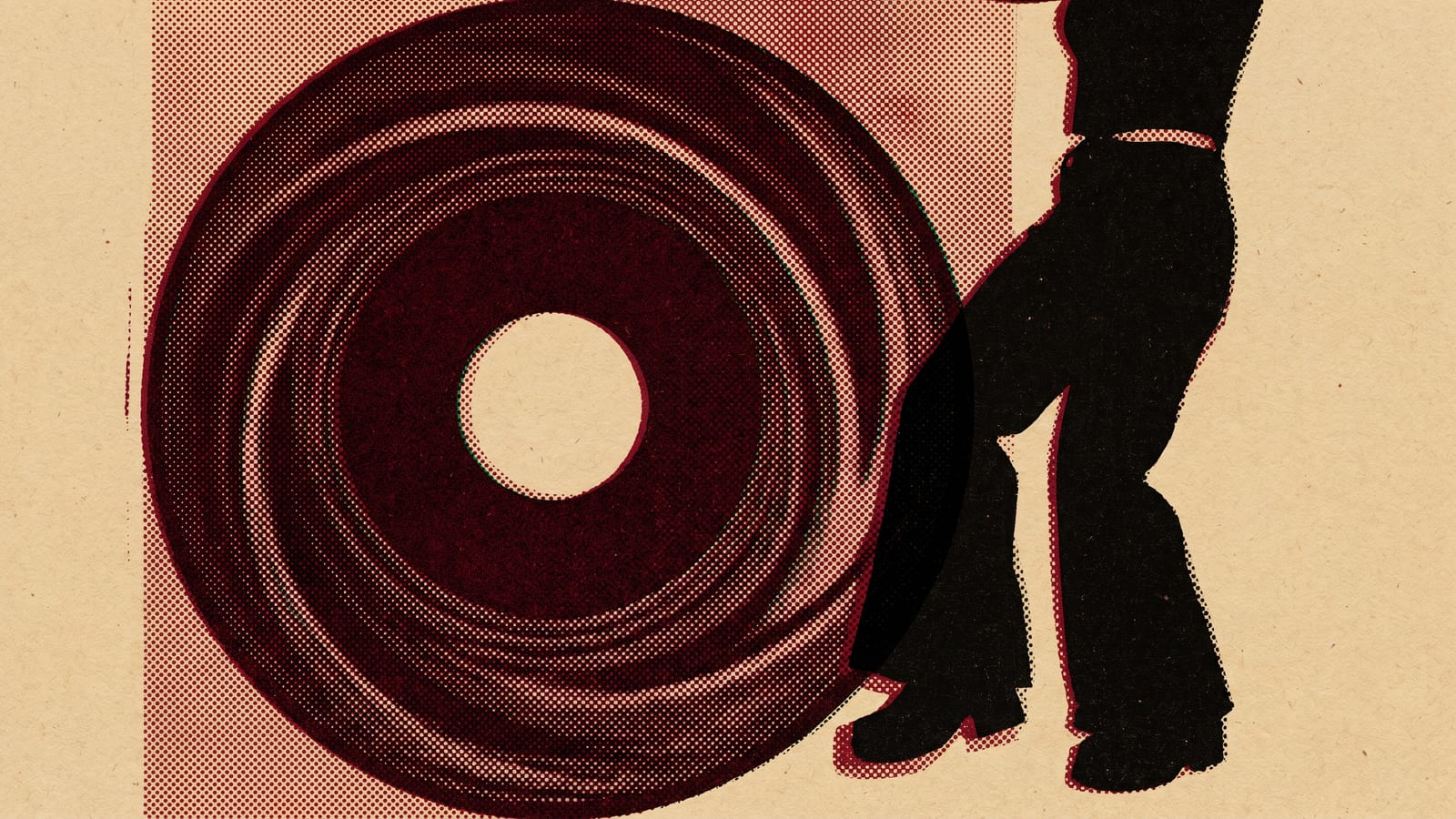
Northern Soul is the scene that grew up in the dance halls of northern England in the late 1960s and 1970s, built around rare, fast American soul records and all-night dancing. It is not a genre of music. It is a way of listening to one, a style defined by the working-class kids who packed clubs like the Wigan Casino to dance until dawn to records most Americans had forgotten.
Where the name comes from
The name was coined by the music journalist Dave Godin, who noticed around 1970 that the soul being played in the clubs of northern England was quite different from what was being played in London. Down south, tastes had moved on toward funkier, slower sounds. Up north, the crowds still wanted the fast, punchy, upbeat soul of the mid-1960s. Godin called it Northern Soul, and the name stuck.
Out of the mod scene
Northern Soul came out of the same root as the skinhead and suedehead scenes: the mod subculture of the early 1960s. Mod was built on American soul and Caribbean ska, and as it splintered later in the decade, different strands carried different parts of it forward.
In the south, the harder, music-focused mods drifted toward ska and reggae and became skinheads. In the industrial north, the mod love of fast Tamla Motown soul simply never faded. The clubs kept playing it, the crowds kept dancing to it, and out of that continuity Northern Soul was born. The Twisted Wheel in Manchester, which started as a mod club, is usually named as the first venue to keep the faith with the soul sound while the rest of mod moved on.
The all-nighters
The heart of the scene was the all-nighter: events where dancers, often fuelled by amphetamines, would dance from late evening until dawn. When the Twisted Wheel closed in 1971, other clubs took over, the Torch in Stoke-on-Trent, the Blackpool Mecca, and above all the Wigan Casino, which opened its first all-nighter in 1973 and became the hub of the whole scene. In 1978 an American trade magazine reportedly rated it the best discotheque in the world, ahead of New York’s Studio 54. Its closure in 1981 marked the end of the scene’s heyday.
The music
The Northern Soul sound is fast and vocal, almost always built on a driving beat with heavy strings or brass behind it. Most of the records came from American soul labels of the mid-1960s, with Detroit and the Motown sound at the centre but plenty from smaller labels like Ric-Tic and Okeh across other US cities.
A culture of rarity grew up around the records. The more obscure a track, the more it pulled a crowd, because that might be the only place to hear it. As the years went on and the supply of unheard mid-60s soul ran thin, DJs and collectors hunted ever rarer discs, and original 7-inch singles became prized objects in a trade that happened right at the edge of the dance floor.
The look and the dancing
Northern Soul style was practical before it was fashionable. Dancers wore very wide, high-waisted trousers, cut loose to move and spin in, with simple polo shirts or vests that could be swapped out as they sweated through them across a night. They carried holdall bags for the spare clothing, and those bags became canvases, covered in sewn-on patches commemorating clubs and all-nighters.
The dancing itself was unique to the scene: athletic and all in the extremities rather than the hips, full of spins, high kicks, drops, and fast footwork. It looked nothing like American soul dancing, and at its best it was genuinely acrobatic.
Keep the Faith
The scene’s motto, Keep the Faith, and its emblem, a raised black fist, were both borrowed from the American civil rights movement. That borrowing says something honest about the scene. The north of England in the 1970s was overwhelmingly white and economically battered, and most Northern Soulers had little direct contact with Black culture. What connected these working-class kids to working-class Black American soul singers was a shared feeling: poverty, the grind, and a yearning the music put into sound.
Northern Soul never claimed to be the first British love affair with American soul, and it was not the last. But it remains a distinctly British way of holding onto the music, kept alive on the same all-nighter circuit, by people who still call themselves Northern Soulers and still keep the faith.