Straight Edge – Punk Without the Vices
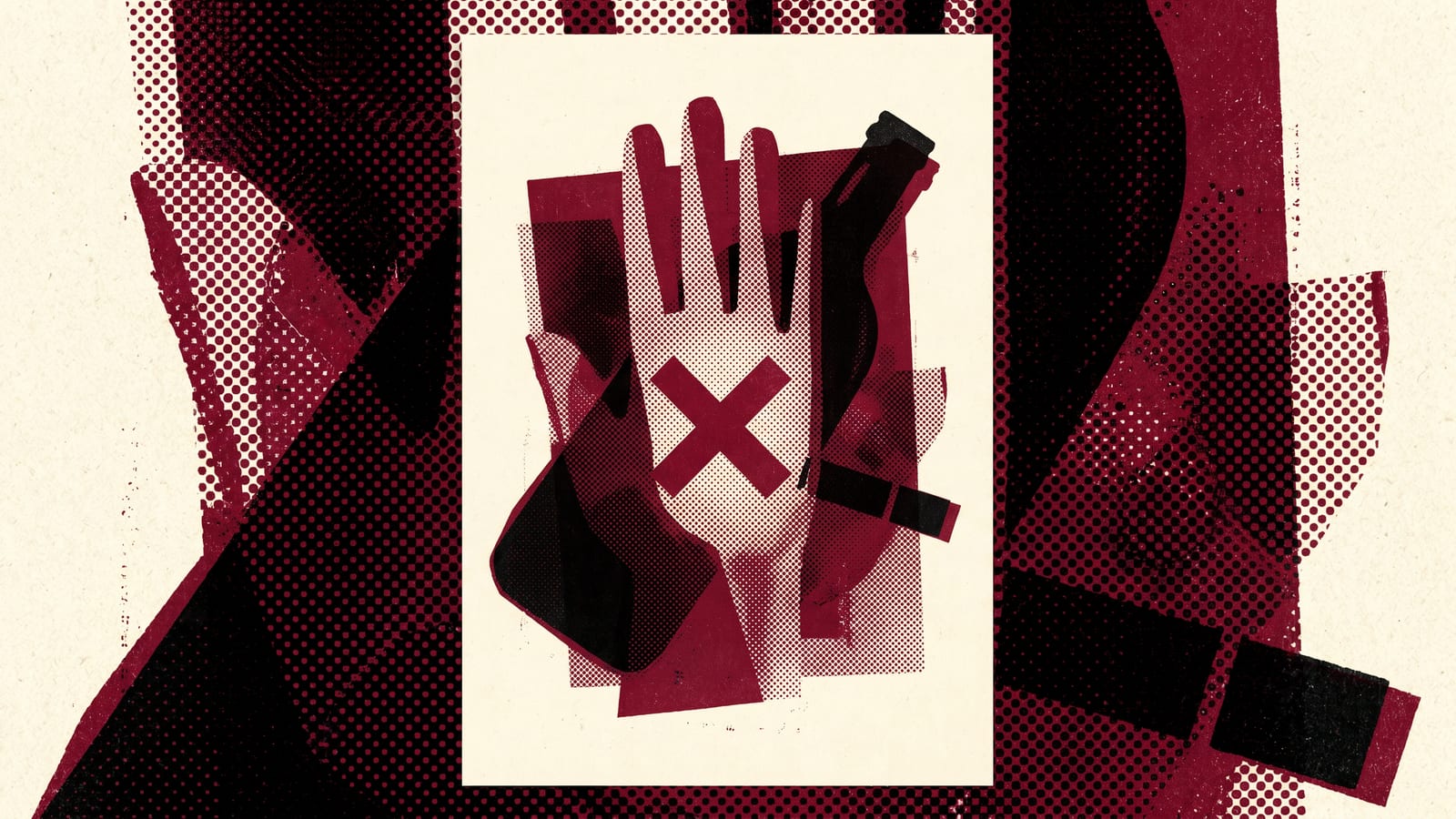
Straight edge is the corner of hardcore punk that decided the point was clarity, not chaos. No alcohol, no drugs, no tobacco, and, in the original formulation, no casual sex. It is a code of conduct that grew out of one short, fast song recorded by a Washington DC band in 1981, and it has been argued over, splintered, and reinterpreted ever since.
Where it started
Minor Threat formed in Washington DC in 1980 after the Teen Idles, an earlier band involving Ian MacKaye and drummer Jeff Nelson, broke up. MacKaye and Nelson had already co-founded Dischord Records that same year as a DIY label for the DC scene. When Minor Threat released their first self-titled 7-inch EP in 1981, one of the tracks was a song called “Straight Edge.” It ran under two minutes, listed three refusals (drink, smoke, other people’s highs), and ended there. MacKaye later said repeatedly that he was writing about himself, not issuing a manifesto. The scene heard a manifesto anyway.
The song gave a name to a tendency that was already present in parts of punk, but had never been articulated as a collective identity. From that point, straight edge became a movement whether MacKaye wanted it to or not.
The X on the hand
The symbol that came to represent straight edge has its own distinct origin, and it predates the song. In 1980, the Teen Idles travelled to San Francisco to play the Mabuhay Gardens. The club discovered the band were all underage and marked their hands with black Xs so staff would know not to serve them alcohol. The Teen Idles brought the idea back to DC and suggested local venues adopt it for all-ages shows. Their farewell record, “Minor Disturbance,” released in 1980, had the two X’d hands on the cover.
The X moved from a door policy to a badge of allegiance. Straight edge kids started marking their own hands voluntarily, claiming the symbol that had originally been applied to keep them out.
Boston takes it further
The straight edge scene spread through the early hardcore network, and different cities developed their own flavour. Boston’s SS Decontrol were among the most prominent second-wave bands, and the approach shifted. Where Minor Threat were stating a personal position, some of the Boston scene took a more confrontational line. SS Decontrol were known for knocking drinks out of audience members’ hands at shows. MacKaye was reportedly unhappy about this, feeling the original point had been missed. Nevada’s 7 Seconds were another key band carrying the straight edge flag through the mid-1980s, with a somewhat less aggressive style.
The tension between personal code and community enforcement runs through the whole history of straight edge, and it was present almost from the start.
Edge-breaking and militancy
One of the more unusual concepts straight edge developed is “edge-breaking,” the act of abandoning the lifestyle and, depending on the community, either quietly moving on or facing social consequences. In more militant phases of the scene, particularly in the 1990s, some crews treated edge-breaking as a serious transgression. There were periods in some cities where straight edge had gang-like formations, with the philosophy backing up territorial and physical conflicts. This is a genuine part of the history, not an outside distortion of it, though it belongs to a specific moment rather than the whole story.
The militancy was always a minority within a minority. For most people who identified as straight edge, the X was personal.
What it meant as a subculture
Straight edge was unusual because it defined itself by refusal rather than style. The look was hardcore punk standard, shirts, jeans, boots, nothing specific to the identity, though the Xs on hands or tattooed on the body became the visible mark. It was the behaviour and the conviction that distinguished it, which made it harder to perform casually and harder to appropriate commercially.
It also gave punk a strand that was explicitly opposed to the self-destruction that ran through the wider scene. The idea that a clear head was a form of resistance, that not drinking was itself a statement against the culture, was genuinely countercultural in a rock context built around excess. Whether that argument holds up depends on your view of what punk was rebelling against in the first place.