Skinhead Music – From Jamaican Reggae to Oi!
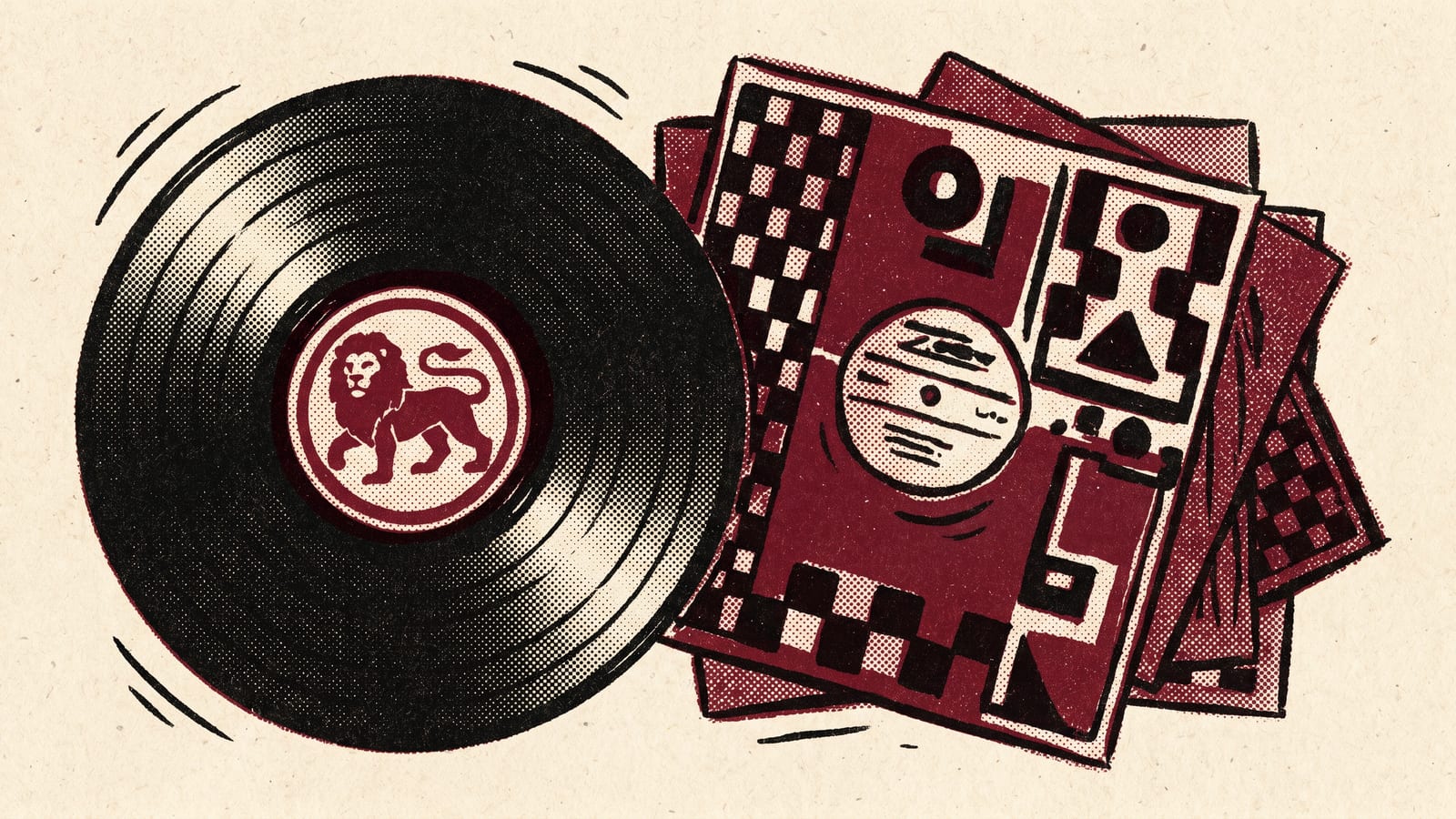
Music has always been the engine of the skinhead subculture, and the music tells the truth about where the subculture came from. The original skinhead sound was not punk and it was not white. It was Black Jamaican dance music, and only later did the harder British guitar sound become part of the picture. Skinhead music really splits into two eras: the late-1960s reggae roots, and the late-1970s revival that added Oi!.
The Jamaican roots
The first skinheads, around 1968 and 1969, were dancers. Their music came straight out of the rude boy scene and the Jamaican sound systems that had travelled to Britain with West Indian immigration: ska, then the slower rocksteady, then early reggae. This is the music the original hard mods turned skinheads moved to in the clubs.
The sound was so tied to the subculture that the record industry gave it a name: skinhead reggae. Trojan Records, the London label that did more than anyone to bring Jamaican music to British ears, put out a stream of records aimed squarely at this crowd. Symarip’s “Skinhead Moonstomp” (1969) was practically an anthem, name-checking the dancers directly. Artists like Laurel Aitken, Desmond Dekker, and Prince Buster were the soundtrack of the early scene.
This is the part of the story that gets buried, and it matters. The defining music of the first skinheads was made by Black Jamaican musicians, and white working-class British kids built a whole identity around dancing to it. The claim that skinhead culture was “always” about race does not survive contact with its own record collection.
The punk turn
When the subculture was revived at the end of the 1970s, a second musical strand arrived. The punk explosion of 1976 onward gave the new skinheads a louder, faster, home-grown sound, and out of it came Oi!: street punk built for the football terrace, shouted gang choruses, and lyrics about working-class life. For a lot of people this is now the sound they picture when they think “skinhead music,” but it is the later half of the story, not the origin.
Two-tone, the bridge
Running alongside the revival was two-tone, the ska revival led by The Specials and Madness on the 2 Tone label. It pulled the original Jamaican sound back into the foreground, openly celebrated the rude boy image, and put racially mixed bands on stage during exactly the years the far right was trying to claim the subculture. Two-tone is the cleanest expression of what skinhead music had been from the start: Black and white, Jamaican and British, sharing the same dancefloor.
How to listen
Come at it in order. Start with the rude boy scene and the Trojan-era reggae for the roots, move through two-tone for the revival, and pick up Oi! for the punk side. Together they are the full sound of the subculture, and the skinhead overview ties the cultural history around them.