New Romantics – Glamour Against the Grey
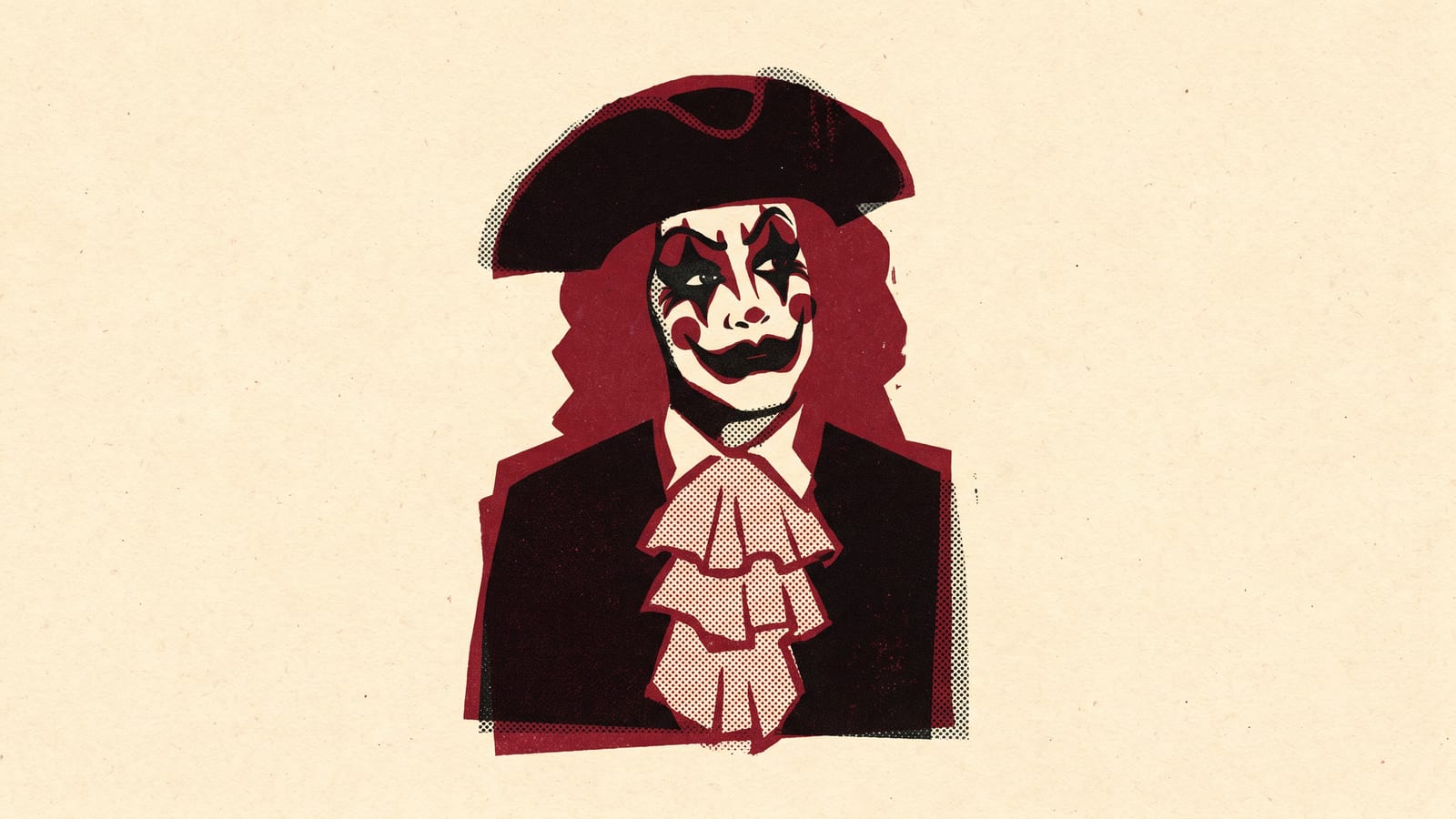
The New Romantics were a direct rebuke to the world they inherited. By 1978, punk had run its course as a shock tactic, and a loose crowd of London art students, club kids, and would-be pop stars decided that if the culture was going to be grim, they would be extravagantly, defiantly not. The result was one of the most visually striking youth movements Britain has produced.
Billy’s and the Bowie Nights
The starting point is a small Soho club called Billy’s, where in autumn 1978 DJ Rusty Egan and door-performer Steve Strange began hosting weekly Bowie and Roxy Music nights. The crowd dressed up, applied heavy make-up, and came in costume. It was a deliberately selective gathering, part of its appeal being that it was nothing like a pub or a punk gig.
The lineage back to glam rock was explicit. David Bowie’s Berlin trilogy and Roxy Music’s art-school elegance gave the nascent scene its aesthetic grammar: androgyny, synthetic textures, faces as canvas. These were not casual influences but active models. Steve Strange in particular was constructing himself as a Bowie-adjacent character rather than a musician who happened to dress well.
After around three months Billy’s outgrew the arrangement, and in 1979 Strange and Egan moved the night to a wine bar on Great Queen Street in Covent Garden. The venue was called Blitz.
The Blitz
The Blitz ran Tuesday nights from 1979 to 1981 and became the scene’s beating heart. Strange controlled the door personally, turning away anyone who hadn’t dressed up to a sufficient standard of strangeness. This was the point: the club was the performance, the attendees were the cast, and the music Egan played (synthesiser-heavy, European, glamorous) was the score.
The crowd that came through included a teenage George O’Dowd (later Boy George), Jeremy Healy, and others who would carry the aesthetic into the mainstream. The Blitz Kids, as they became known, were not a band or a label’s invention. They were a social scene that happened to produce a movement.
The Sound
The music was never a single genre. What united it was the rejection of guitar austerity and the embrace of synthesisers, sequencers, and a certain cold European glamour. Visage, Strange’s own band with Egan, put out “Fade to Grey” in late 1980, which reached number 8 in the UK and topped charts in Germany and Switzerland. It remains the scene’s purest recorded artefact: vocodered French vocals, a pulsing synth line, total theatricality.
Spandau Ballet, who had been playing to the Blitz crowd, released their debut single “To Cut a Long Story Short” in 1980. Duran Duran, from Birmingham rather than London but very much absorbing the look and attitude, debuted with “Planet Earth” in February 1981, reaching number 12 and landing them on Top of the Pops. Culture Club and Soft Cell were orbiting the same world, the latter scoring with “Tainted Love” in 1981.
These were not straightforward pop acts. They were presenting characters, personas, a complete visual and sonic package that owed more to Bowie’s Ziggy Stardust years than to anything punk had offered.
The Look
The New Romantic wardrobe was flamboyant in a specific, researched way. Pirate shirts, ruffled collars, kilts, military frogging, kimono elements, Renaissance sleeves and Regency frock coats all appeared, often on the same person in the same evening. Heavily applied make-up for men was not incidental but central. The point was that getting dressed was an act of imagination, not utility.
It drew on glam rock and on historical costume with equal enthusiasm, and the result was a look that was deliberately hard to date. These clothes were not signalling a decade or a class position in any legible way. They were signalling refusal, the refusal to dress like the world around you.
Reaction and Reach
The mainstream caught up fast. By 1981 and 1982, the style press was describing New Romanticism at length, major labels were signing Blitz-adjacent acts, and the MTV era was arriving just in time to broadcast the look globally. Duran Duran’s elaborate video shoots and Spandau Ballet’s early performances in unusual venues (a warship, a Scottish castle) were deliberately designed for the camera as much as for a live crowd.
Punk had been anti-spectacle; the New Romantics were hyper-spectacle. One was a response to the other, and the relationship was adversarial by design. The irony is that both movements were rejecting the same grey economic reality. Punk did it with aggression; the Blitz Kids did it with mascara and a well-cut coat.
The scene’s commercial peak was brief, roughly 1981 to 1983, after which the more distinctive visual markers softened into mainstream pop. But the specific combination of synthetic music, androgynous dressing, and self-conscious glamour that the Blitz incubated ran forward into the whole shape of British pop in the 1980s.