Mods – The Subculture That Gave Birth to the Skinhead
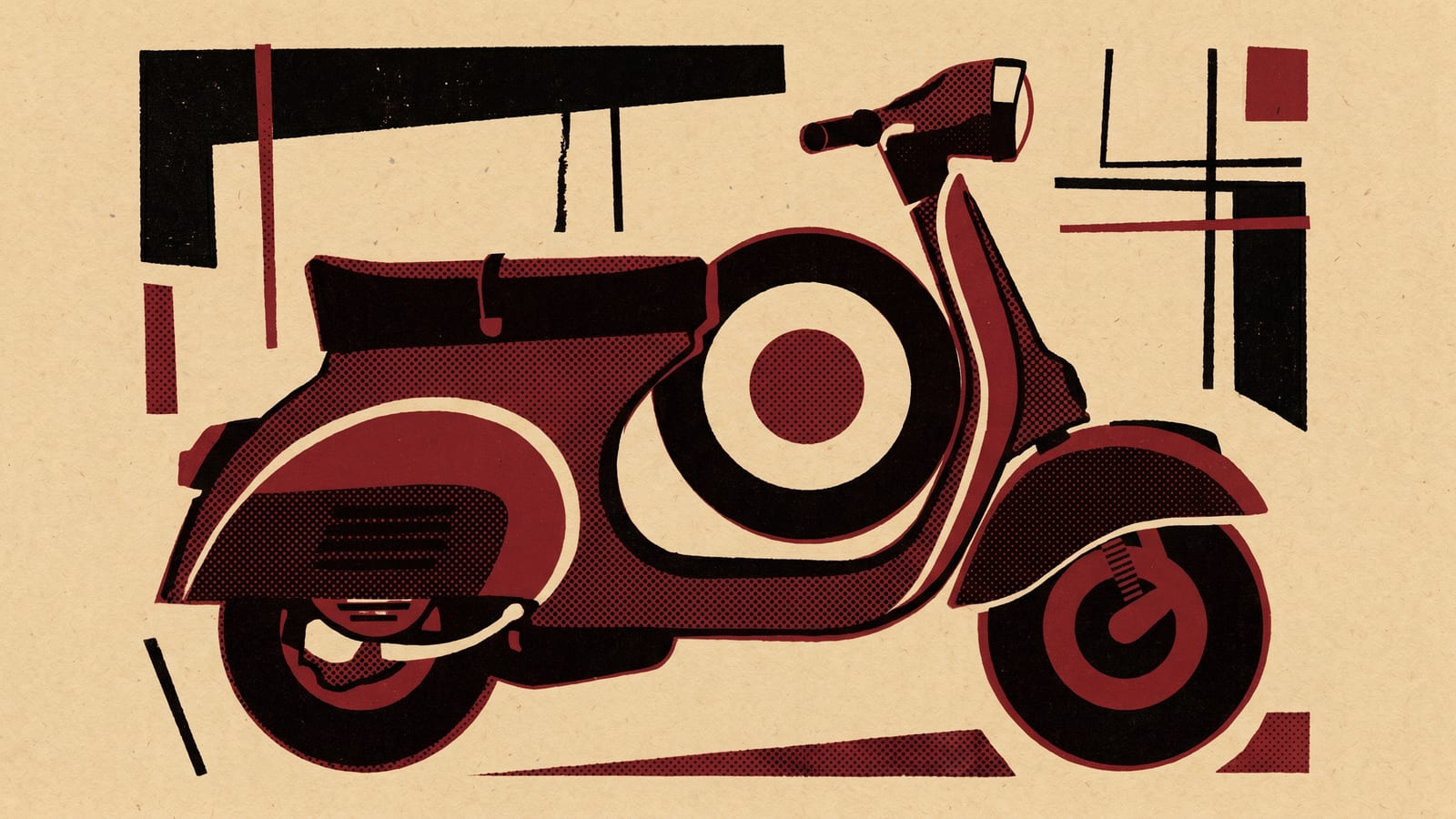
You cannot understand the skinhead without understanding the mod, because the skinhead grew straight out of the mod scene. Mod, short for modernist, was a British youth subculture that peaked in the early-to-mid 1960s and was built around clean lines, soul and R&B records, scooters, and a near-obsessive attention to clothes.
Origins
Mod started in late-1950s London among young, working-class men with a taste for modern jazz, sharp Italian suits, and a sense that style was a form of self-respect. By the early 1960s it had spread well beyond jazz, pulling in soul, Motown, ska, and British R&B, and it had become a full identity rather than a record-buying habit.
The scooter, usually a Vespa or Lambretta, became the mod’s signature machine, often loaded with mirrors and lights. The parka worn over a suit, to keep the suit clean on the bike, is one of the most recognizable images of the era.
The split that made the skinhead
By the mid-1960s the mod scene was pulling in two directions. One wing got more art-school, psychedelic, and middle-class, drifting toward the look that fed into late-sixties fashion. The other wing, the harder, more working-class element sometimes called “hard mods,” kept the cropped hair and practical clothes and leaned into the Jamaican sounds coming over with West Indian immigrants.
That second wing is where the skinhead came from. The cropped hair, the button-downs, the love of ska and rocksteady, all of it carried over. The skinhead was, in a real sense, the mod stripped down for the terraces and the dance floor rather than the boutique.
In the industrial north, mod took a different turn again. There the love of fast American soul never faded, and out of it grew the Northern Soul scene, with its all-nighters and rare records.
The mod look
The core of mod style was the tailored suit, slim-cut, often three-button, sometimes in mohair or tonic fabric that shifted colour in the light, the same tonic and mohair you will find in our skinhead fashion guide, inherited directly. Desert boots, Chelsea boots, and bowling shoes were common. Fred Perry and Ben Sherman, later skinhead staples, were mod purchases first.
Revivals
Mod never fully went away. The late-1970s mod revival, driven by bands like The Jam and the film Quadrophenia, brought the scooters and parkas back, and smaller revivals have surfaced regularly since. The clean, sharp mod aesthetic has proven durable precisely because it was never about excess.
For the subculture it spawned, see the skinhead overview.