Skinheads – Origins, Identity, and the Truth About the Subculture
The skinhead story begins not in Britain but in Jamaica. The rude boys of Kingston’s dance halls in the early 1960s brought ska, rocksteady, and a particular kind of sharp, working-class dress sense to Britain with the wave of West Indian immigration. Young white working-class Britons in cities like London and Birmingham shared the same neighbourhoods, the same dance halls, and the same records. That cross-pollination is the genuine root of skinhead culture.
From mods to skinheads
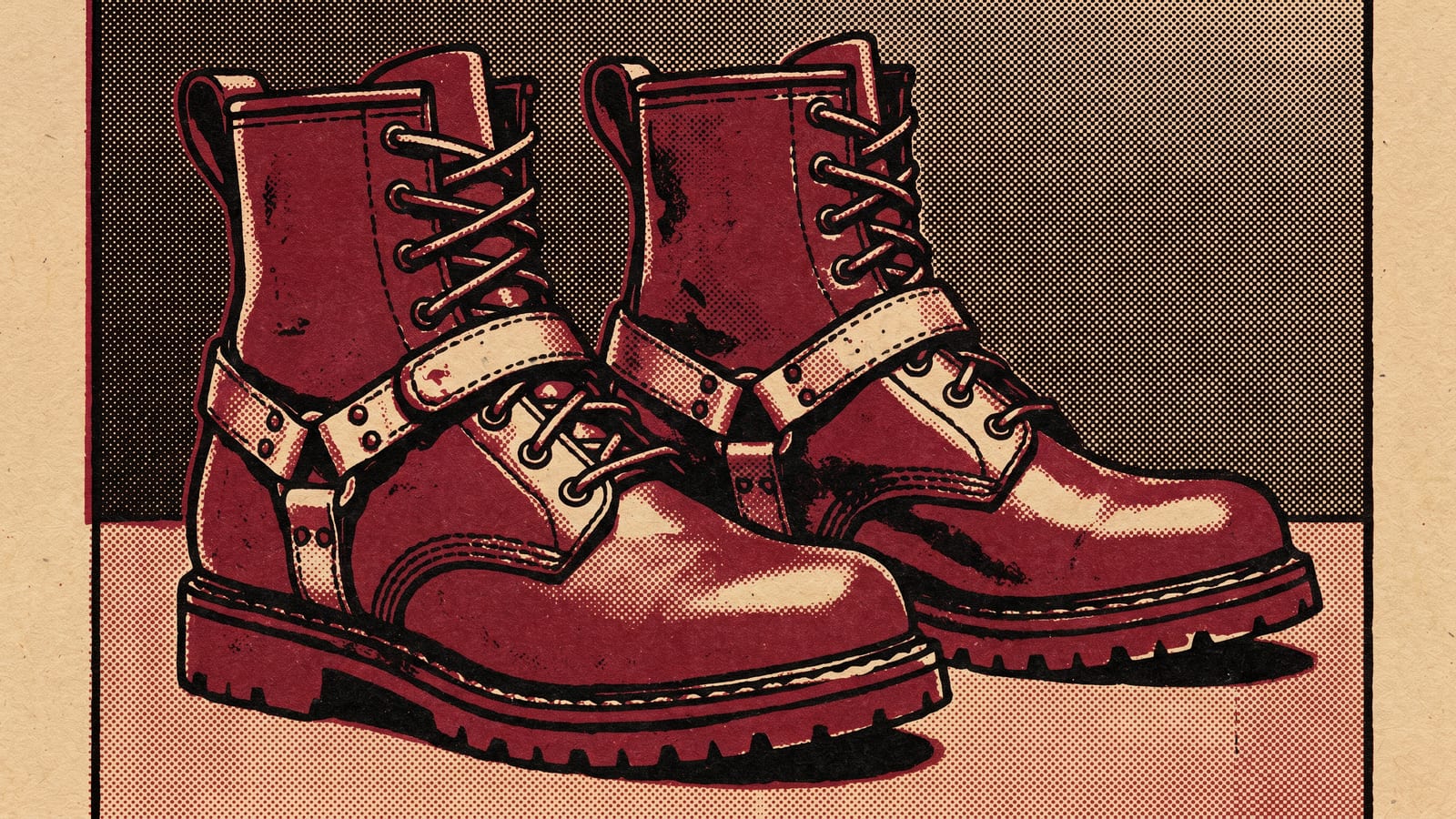
The mod subculture was already fragmenting by the mid-1960s. The harder, rougher mods, the ones less interested in the arty end of the scene and more drawn to the physical side of it, drifted toward a more stripped-back look and a rawer sound. By 1968 or so this cluster had developed enough of a distinct identity to get its own name. Close-cropped hair, boots, braces, Harrington jackets, Ben Sherman shirts. The connection to ska and reggae stayed central. Skinhead fashion and skinhead music were inseparable from the start, and both were built substantially on Black Jamaican culture.
The suedeheads who emerged shortly after were a slightly smarter variation, less aggressively working-class in look, though drawing from the same cultural pool.
The National Front intervention
The original skinhead scene faded by the early 1970s, and when it revived in the late 1970s it did so in a different political climate. The National Front and related far-right groups saw opportunity in economically squeezed white working-class young men and recruited hard among them. Some of that recruitment ran directly through skinhead circles. This is when and why the racist skinhead became a visible figure: it was a deliberate political project by the far right, not something intrinsic to the subculture.
The timing matters. The racist skinhead stereotype dates almost entirely from this late-1970s recruitment drive, a decade after the original scene had emerged from a genuinely multiracial youth culture built around Black music. The old claim that skinheads were “always” racist collapses the moment you look at what the original scene actually listened to and who it shared floors with.
Two-tone and the parallel revival
At the same moment the National Front was doing its worst, the two-tone ska movement was offering a very different version of the same skinhead-adjacent crowd. Bands like The Specials, Madness, and The Beat explicitly revived the rude boy imagery, put Black and white musicians on the same stage, and addressed racism directly in their lyrics. The checkerboard motif of two-tone was a deliberate symbol of integration. A lot of the skinhead revival of the late 1970s ran through this scene rather than the far-right one.
Oi! music also emerged from this period, working-class street punk that drew from the skinhead audience. It picked up its own far-right fringe and its own bad press, but the core of it was apolitical or left-leaning, rooted in solidarity rather than exclusion.
SHARP and reclaiming the name
The explicit anti-racist counter-movement within skinhead culture is SHARP, Skinheads Against Racial Prejudice, founded in New York in 1987. SHARP’s position is the historical one: the subculture grew from Black Jamaican music, it belongs to people who reject racism, and the racist “bonehead” faction appropriated something they had no right to. The term bonehead, used by traditional skins for the racist faction, signals the distinction from inside the culture itself.
The skinhead story is, in the end, one of cultural origin, political hijacking, and ongoing contestation. The original version was built on shared music and shared space across racial lines. That version is still there if you look for it.